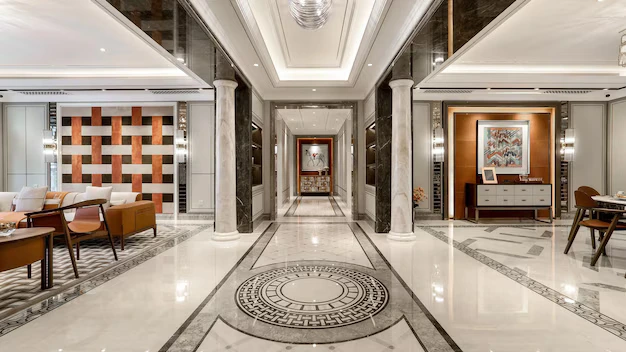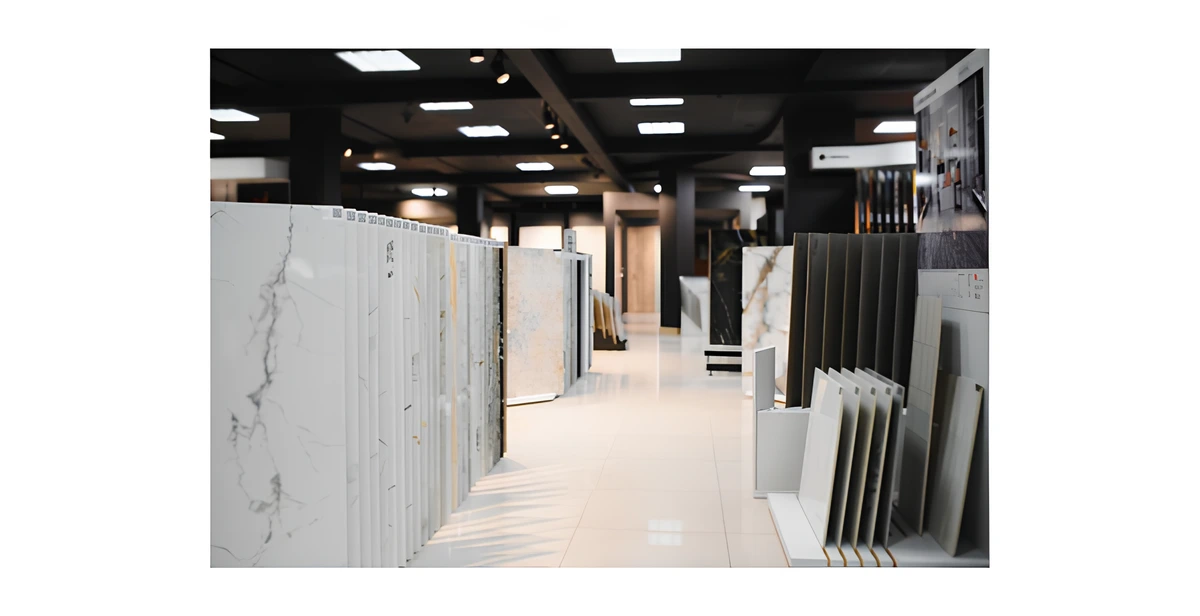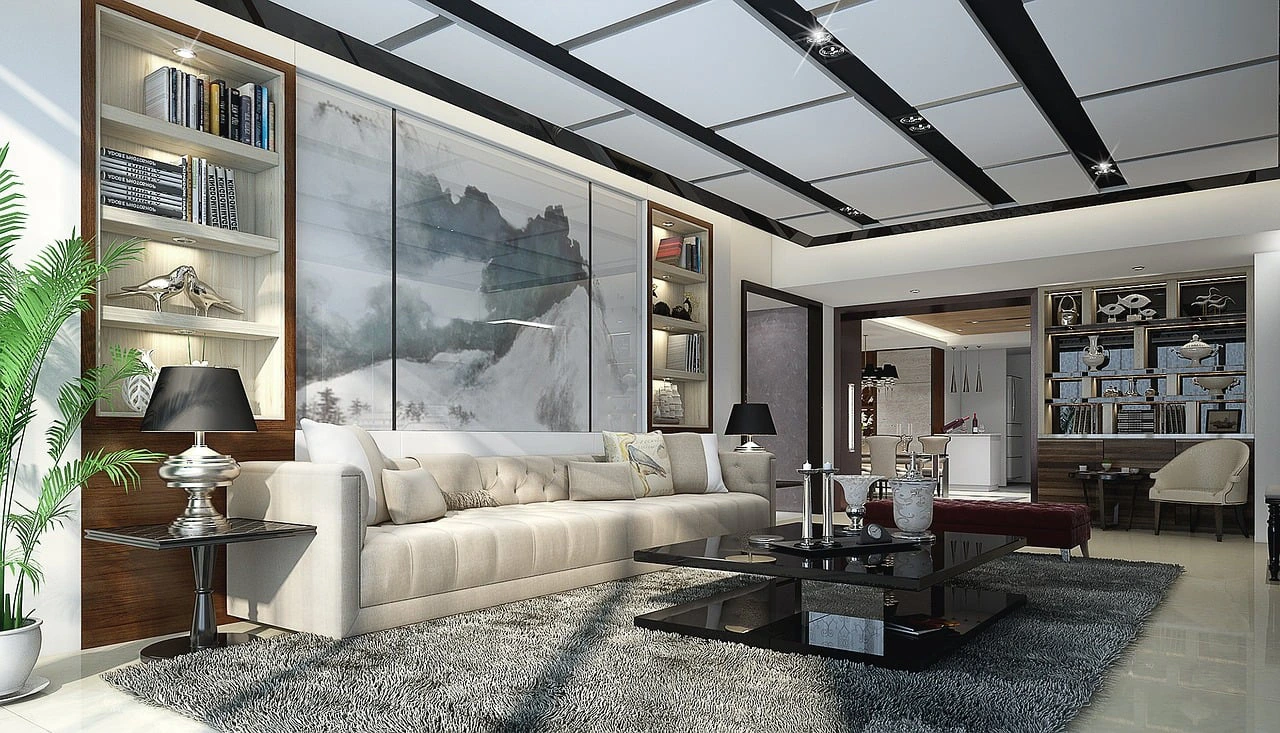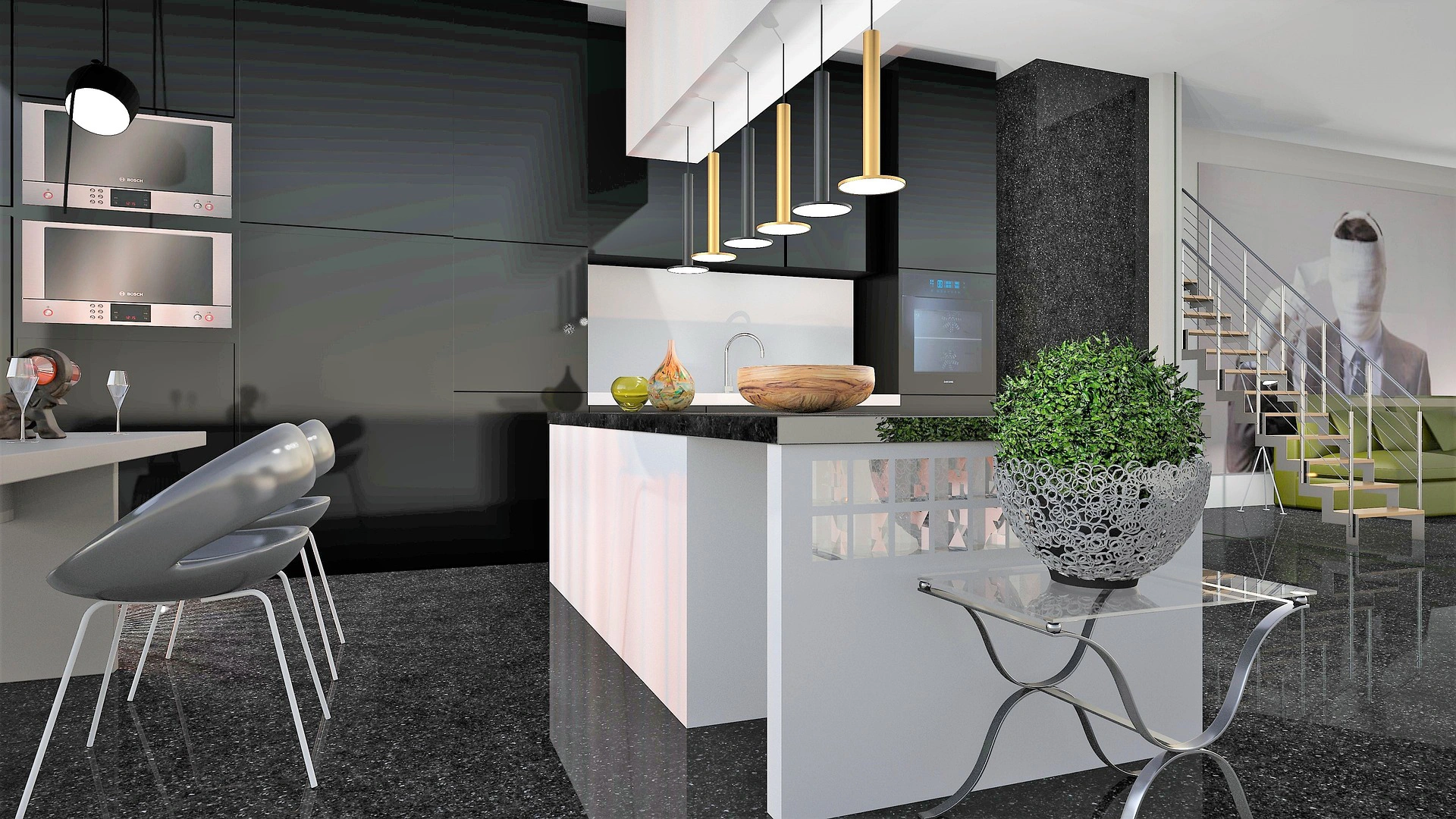
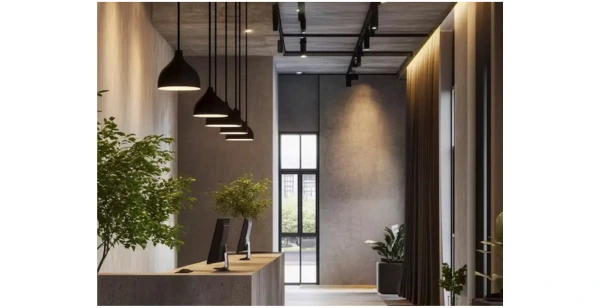
As we know today the world is moving toward greener and more sustainable practices, due to which the construction industry is also evolving. Homeowners, builders, and architects are now more focused on choosing materials that not only enhance the beauty of a building or inner space but also reduce environmental impact. Marble, a material known for its elegance, is now being recognized for its eco-friendly benefits.
Many traditional building materials such as wood, bricks, stone, glass, concrete, etc., cause environmental degradation, from energy-intensive manufacturing processes to the release of harmful chemicals. Moreover, these materials often have a short lifespan, leading to frequent replacements and increased waste. In today’s world, where sustainability matters more than ever, it’s important to choose building materials that are both long-lasting and eco-friendly.
In this article, we’ll explore why marble is becoming popular for Earth-friendly construction. We’ll dive into the environmental benefits of marble, from its natural durability to its ability to reduce energy consumption, and why it stands out as a sustainable alternative for modern construction projects. Discover how choosing marble can help build a greener future without compromising style or quality.
Marble stands out as a sustainable and eco-friendly building material due to its natural origin and low environmental impact. Let’s explore why marble is a superior choice compared to other construction materials in terms of sustainability.
1. Naturally Quarried from the Earth: Marble is a natural stone that is directly extracted from the earth, which sets it apart from man-made materials like concrete or plastic. The quarrying process involves cutting large blocks of marble, which requires significantly less energy than the production of synthetic materials. This natural extraction results in a much lesser carbon footprint.
2. Minimal Chemical Processing: Synthetic materials that often require chemical-heavy processes for production, marble undergo minimal processing. This means fewer harmful chemicals and pollutants are released into the environment. Since marble doesn’t need to be molded, heated, or chemically treated, its overall environmental impact is reduced compared to metal composites or plastic materials.
3. Lower Energy Consumption: The production of synthetic materials like concrete, plastic, or metal composites involves multiple stages of manufacturing, all of which consume large amounts of energy. In comparison, marble’s extraction and processing require less energy. After being quarried, it is simply cut, shaped, and polished to be ready for use, making the process much more eco-friendly.
4. Reduced Greenhouse Gas Emissions: Because marble requires less energy to extract and process, it produces fewer greenhouse gas emissions. This contributes to a lower carbon footprint, making marble a more environmentally perfect choice for construction projects. By using marble, builders can significantly reduce the environmental impact associated with the creation of building materials.
5. No Toxic Chemical Releases: Marble is a naturally safe material that doesn’t release harmful chemicals into the air, water, or soil. Many synthetic materials can off-gas toxic substances that are harmful to both human health and the environment. By choosing marble, you avoid exposure to dangerous chemicals in indoor spaces, promoting a healthier living or working environment.
Choosing marble for construction projects offers numerous eco-friendly benefits. Its natural extraction process, low energy consumption, minimal chemical use, and reduced emissions make it a standout material for sustainable building. Marble not only adds timeless beauty to spaces but also contributes to a cleaner, healthier planet.
Marble has been highly valued for hundreds of years, not only for its beauty but also for its remarkable durability. Let’s dive deeper into how marble’s long-lasting nature makes it a sustainable and smart choice for construction projects.
1. Exceptional Longevity: Marble’s durability allows it to survive and stay beautiful for generations. Unlike other building materials that may degrade, crack, or wear out over time, marble is naturally resilient. With the right care and maintenance, it can retain its structural integrity and aesthetic appeal for centuries. This makes it an ideal material for projects that aim for longevity and minimal maintenance.
2. Minimal Maintenance Requirements: Marble is surprisingly easy to maintain despite its luxurious appearance. With periodic cleaning and sealing, marble surfaces can remain in excellent condition for years. This low-maintenance nature adds to its long-term value, as it doesn’t require costly or heavy maintenance compared to other materials like wood or concrete, which may need frequent repairs or replacements due to wear and tear.
3. Reduced Need for Replacement: Because of its durability, marble doesn’t need to be replaced as often as other materials. Materials like tile, laminate, or even wood flooring can wear down or become damaged over time, requiring frequent replacement. Marble, on the other hand, withstands daily use without significant signs of wear, which reduces the need for new materials to be produced and installed. This not only saves costs in the long run but also cuts down on the waste generated from frequent renovations or replacements.
4. Sustainability Through Durability: When builders or homeowners choose marble, they are making a sustainable choice. Because marble lasts so long, it conserves resources by minimizing the need for repairs or replacements. Since it can last for decades, if not centuries, marble helps reduce the need for additional raw materials, energy, and labor that would otherwise go into replacing less durable materials. Over the long term, it becomes a more eco-friendly option.
5. Increased Property Value: In addition to its practical benefits, the use of marble in construction adds value to any property. Marble’s timeless beauty, combined with its long-lasting nature, ensures that spaces retain their elegance and appeal for many years. Homes or buildings with marble features are often seen as high-end and luxurious, which can significantly boost the overall value of the property.
Choosing marble for construction projects is not just about luxury—It’s about choosing a material that will last for many years. Its exceptional longevity, minimal maintenance needs, and resistance to damage make it one of the most durable materials available. By opting for marble, homeowners and builders alike are making a sustainable, long-term investment that not only saves money but also reduces environmental impact.
Marble is often valued for its beauty and durability, but many people are unaware of its natural thermal properties that can contribute to energy efficiency in buildings. While marble isn’t typically considered an insulating material, it offers several benefits that can help reduce energy consumption. Here’s how marble can play a role in maintaining a comfortable indoor environment and enhancing energy efficiency:
1. Staying Cool in Hot Weather: One of the unique features of marble is its ability to stay cool, even in hot weather. Marble surfaces naturally resist heat, making them ideal for maintaining a cooler indoor environment. This cooling effect can help reduce the need for excessive air conditioning during the warmer months, leading to energy savings.
2. Heat Retention in Cooler Weather: During the colder months, marble can work oppositely. It can absorb heat from sunlight or other heat sources, and then slowly release that warmth into the room, helping to maintain a comfortable temperature.
3. Long-Term Energy Savings: The natural thermal properties of marble can contribute to lower energy consumption over time. With reduced dependence on air conditioning in the summer and less need for heating in the winter, buildings with marble installations can see a noticeable decrease in energy bills. The reduced need for energy results in lower carbon emissions, making marble not only a practical choice but also an environmentally-friendly one.
Marble’s ability to naturally regulate temperature makes it a smart material choice for energy-efficient buildings. Whether it’s keeping spaces cool in summer or helping to retain heat in winter, marble can reduce energy consumption and offer long-term savings, all while contributing to a more sustainable environment. Marble offers a perfect investment for those aiming to increase both the appearance and practicality of their spaces.
When it comes to selecting materials for construction and interior design, safety and environmental impact are becoming increasingly important. Many synthetic building materials, such as plastics and certain composites, can release harmful chemicals into the environment during their production and disposal. Marble, on the other hand, offers a safe, non-toxic alternative that benefits both your health and the environment. Let’s take a closer look at why marble is an environmentally responsible and safe choice for your home or office.
1. Natural and Non-Toxic Composition: Marble, being a natural stone, doesn’t have the harmful chemicals found in synthetic materials. Because of its organic origin, marble is free from toxic substances and does not emit dangerous chemicals into the air or soil.
2. Eco-Friendly Production and Disposal: Marble has an advantage over synthetic materials in terms of its impact on the environment. The production of synthetic materials like plastic often involves the release of toxic chemicals into the atmosphere, contributing to pollution and harming the ecosystem. Marble, being a naturally occurring material, has a much lower environmental footprint.
3. Promotes a Healthy Living or Working Space: Because marble is free from toxic chemicals, it creates a healthier indoor environment. Whether you’re using marble in your kitchen, bathroom, or living room, you can be assured that it’s a safe material for you and your family. In workspaces, marble helps promote cleaner air, making it a great option for offices and commercial buildings where employee well-being is a priority.
Marble is not just a visually attractive material; it’s also a safer and more eco-friendly option. Unlike synthetic materials that can release harmful toxins, marble is non-toxic and naturally sourced. Its eco-friendly production, non-toxic nature, and ability to improve indoor air quality make it an excellent choice for both residential and commercial spaces.
As sustainability gains importance in the construction industry, the focus has shifted to eco-friendly sourcing methods. Marble, being a natural material, is now being extracted through more ethical and sustainable quarrying practices. This is how these practices are leading to improvements:
1. Minimizing Environmental Impact: Sustainable quarrying methods aim to reduce the damage caused to the surrounding environment. Modern techniques focus on extracting marble in a way that minimizes the destruction of natural habitats and landscapes. This means quarries are being more mindful of the ecosystem, protecting local wildlife, vegetation, and water sources from harm during extraction.
2. Reducing Waste: Ethical quarrying practices are designed to reduce waste significantly. Traditional quarrying methods often resulted in a lot of discarded stone, but now, advanced technology allows for more precise extraction. This means less waste material is left behind, and more of the marble can be used in construction projects, making the process more resource-efficient.
3. Energy-Efficient Techniques: In many quarries, the shift toward energy-efficient machinery and technology has been a major step forward. These new methods use less energy during extraction, which lowers the overall carbon footprint of the process. As a result, the environmental impact of marble production is greatly reduced, making it a greener choice for construction projects.
4. Conservation of Natural Resources: Sustainable quarrying is also about maintaining marble as an important natural resource. By using responsible extraction methods, quarries can ensure that marble reserves are maintained for future generations. This approach helps balance the demand for marble with the need to preserve the earth’s resources, ensuring long-term availability.
5. Ethical Labor Practices: Many sustainable quarrying operations also emphasize fair labor practices. Workers are provided with safe working conditions, and fair wages, and are trained in environmentally friendly extraction techniques. This ensures that the quarrying process not only benefits the environment but also supports the well-being of the workers involved.
6. Making Informed Choices: By choosing to support marble sourced from quarries that prioritize sustainability, consumers and builders contribute to reducing the environmental impact of construction. Informed decisions about where and how marble is sourced can lead to positive change, encouraging more quarries to adopt eco-friendly practices.
Promoting responsible quarrying practices plays a significant role in making construction more sustainable. By choosing marble from eco-friendly quarries, builders and consumers can ensure that they are not only adding beauty to their projects but also contributing to a more sustainable future. These actions help protect natural resources, reduce waste, and care for the environment, while still preserving marble’s quality and beauty.
In conclusion, choosing marble for sustainable construction goes beyond its aesthetic appeal. Marble is a naturally sourced material that requires minimal processing, making it an eco-friendly option with a lower carbon footprint than many synthetic alternatives. Its durability ensures long-term use, reducing waste and the need for frequent replacements, while its energy-efficient properties contribute to reduced energy consumption in buildings. By supporting sustainable quarrying practices, builders and consumers can help preserve natural resources, protect the environment, and promote ethical labor conditions. Ultimately, marble is a timeless and responsible choice for those who value both beauty and sustainability in modern construction projects.